

Clockworks Tower Clock Service
Tower Clock Repair & Restoration
When a clock is part of a church, town hall, campus, courthouse, mill, or estate, the repair is bigger than a service call. Clockworks helps stewards of public timepieces understand the movement, protect the original character, and choose the right repair path before a major budget is committed.
Professional, practical, personal
For clocks that carry history, visibility, and real responsibility.
A tower clock may be one of the most public mechanical objects a building owns. When it stops, drifts, strikes incorrectly, or begins to fail structurally, the decision is rarely simple. It affects budgets, access, trustees, donors, preservation priorities, and the public face of the building.
Our role is to make the mechanical reality understandable, with direct guidance from people who know clocks and respect historic machinery.
For Massachusetts towns and public agencies
Make the approval path easier before the clock work begins.
Town halls, libraries, schools, courthouses, churches, campuses, and historic public buildings often need more than a repair estimate. Clockworks can help organize the practical details your office, board, facilities team, or preservation committee needs to review the project with confidence.
Paperwork for purchasing
When requested, Clockworks can provide standard vendor information, W-9, Certificate of Insurance, and other business details needed for town vendor files.
Board-ready scope
Clear written recommendations help select boards, trustees, preservation committees, and facilities teams understand the work, priority, and expected value.
Quote and phasing support
Large clock projects can be organized by urgency, preservation goals, and budget timing so the right work can move first when funding is limited.
Condition notes and photos
Project notes and photo references can support public records, grant files, donor conversations, facilities planning, and internal project packets.
Meeting dates and deadlines
Share board meeting dates, budget deadlines, event schedules, or public-opening needs so the next steps can be planned around the real calendar.
Purchase order coordination
If your town or organization uses purchase orders, vendor registration, or formal quote requirements, include those details with the evaluation request.
Common documents towns ask for
Download the public planning packet for board, trustee, facilities, or purchasing review. Completed W-9, Certificate of Insurance, vendor information, and formal quote details are provided directly to the requesting office.
- Formal written scope and estimate or quote
- W-9 and vendor information
- Certificate of Insurance when requested
- Purchase order details
- Board, trustee, or committee packet notes
- Photos and condition notes for records
Service scope
What Clockworks can evaluate, repair, and restore.
Every tower is different. Some need careful cleaning and adjustment. Others need movement removal, shop work, replacement parts, dial work, or a modern winding assist that respects the historic system.
Mechanical movement restoration
Disassembly, cleaning, pivot and bushing work, gear repair, arbor work, lubrication, reassembly, timing, and regulation.
Dial, hand, and motion work
Evaluation and repair of hands, shafts, motion works, dial hardware, illumination considerations, and weather-exposed components.
Bell and strike systems
Diagnosis of strike trains, hammers, linkages, bell controls, worn levers, timing problems, and disconnected or unsafe mechanisms.
Removal and installation planning
Guidance for tight stairways, tower rooms, lifts, rigging needs, fragile floors, and safe handling of heavy clock components.
Automatic winding and controls
Responsible upgrades for institutions that need dependable timekeeping without daily manual winding, while preserving the core clock.
Board-ready recommendations
Clear written scope, priorities, options, and photos so committees can understand the value, risk, and order of work.
Real machinery, real conditions
The right repair starts with seeing the clock honestly.
Old tower clocks are often a mix of excellent original engineering, decades of field adjustments, weather exposure, improvised repairs, and access limitations. That is why a credible proposal should be grounded in photos, measurements, symptoms, and the building’s goals.
Send what you have: photos of the movement from several angles, the dial and hands, any bell or strike parts, weights, winding system, access route, and a short note about what the clock is doing now.
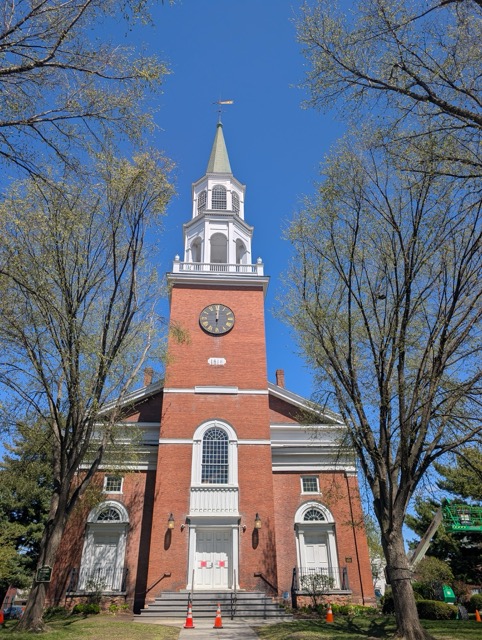
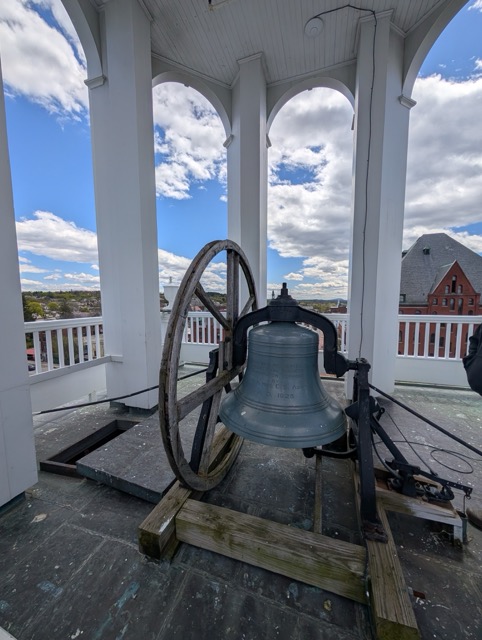
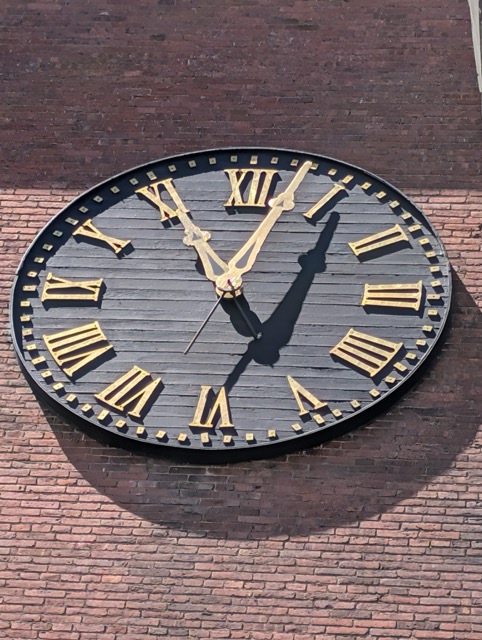
Project examples
Photos help identify the right path before a budget is committed.
These are the kinds of details we look for when reviewing a clock: wear, alignment, missing or modified parts, access, environmental exposure, and the relationship between the movement, dial, hands, and strike system.
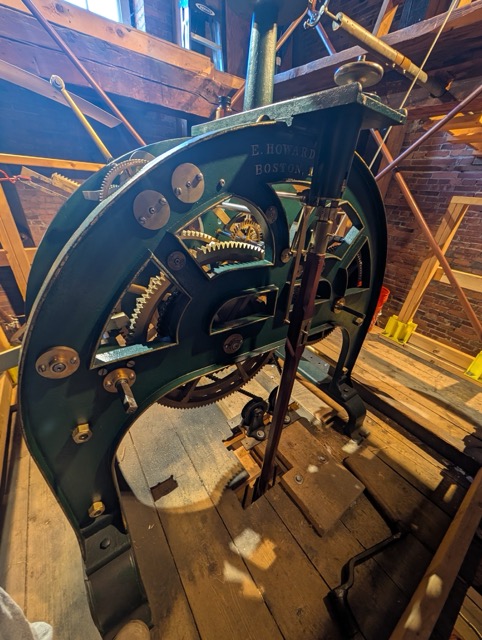
Why committees call Clockworks
A high-value project needs more than a quick fix.
Public clocks demand a different standard: clear communication, respect for original machinery, cost discipline, and a plan that facilities teams and decision makers can understand.
Repair-first judgment
We look for ways to preserve original material where it is mechanically sound, and we explain when replacement or modernization is the more responsible decision.
Specialist technical review
Each inquiry is reviewed by clock specialists who consider the symptoms, photos, access, and preservation goals.
Board-level clarity
Large projects need plain language, scope options, priorities, and enough detail for a committee or owner to make an informed decision.
Respect for the building
Access, dust, floors, public spaces, bell towers, and historic finishes all affect the plan. The clock is part of a larger place.
Process
How a serious tower clock project moves forward.
The first step is not guessing a price. The first step is understanding the clock, the building, the access, and the owner’s goals.
Initial review
Send photos, symptoms, location, and any known history. We identify the likely issues and what more we need to know.
Scope and options
We separate urgent mechanical needs from optional restoration, dial work, controls, or cosmetic improvements.
Proposal
You receive a clear recommendation suitable for an owner, board, committee, or facilities manager.
Repair or restoration
Work may involve on-site service, movement removal, shop restoration, part repair, adjustment, or modernization where appropriate.
Calibration and handoff
The clock is regulated, tested, documented, and returned with practical guidance for care and ongoing reliability.
Common questions
Before you start gathering estimates.
These answers help owners and committees prepare for the first conversation.
Can you give a price from photos?
Photos are enough to begin a useful conversation, but major tower clock work should be quoted after the movement, access, and scope are understood. The goal is to avoid a low guess that becomes expensive later.
Do you preserve the original movement?
When the original movement can be repaired responsibly, preservation is usually the preferred path. If a part is unsafe, missing, or beyond practical repair, we explain the options clearly.
What photos should we send?
Send wide and close photos of the movement, dial and hands, bell or strike parts, weights, winding system, access route, and any labels or maker marks. Video of the clock running or failing is helpful.
Can you add automatic winding?
In many cases, yes. The right system depends on the movement, weight train, access, use pattern, and preservation goals. We recommend upgrades only when they make sense for the clock.
Can you provide paperwork for a town or public agency?
When requested, Clockworks can provide standard vendor information, W-9, Certificate of Insurance, written scope, estimate or quote details, and project notes for purchasing or board review.
Can you work with a purchase order or board approval process?
Yes. Share the approval process, deadline, meeting date, and documents your town needs. Clockworks can organize the recommendation around those requirements.
Request evaluation
Tell us about the clock, the building, and what is happening.
Use the form to start the conversation. If your town or organization needs a W-9, Certificate of Insurance, vendor setup, purchase order, formal quote, or board packet, include those details with the request.
Start the evaluation
Share the basics now. We will ask for photos, measurements, or access details when needed.